Manufacturing Process: A Look at How Products Are Made in Flexible Packaging
Flexible packaging is a vital component of our everyday lives, encompassing a wide range of products, from food and beverages to cosmetics and household goods. As consumers increasingly seek convenience and sustainability, the demand for flexible packaging continues to grow. But how are these products manufactured? In this blog post, we will take a closer look at the manufacturing process behind flexible packaging, from raw materials to the final product, underscoring the technology, innovation, and quality control involved in this essential industry.
Step 1: Raw Materials Selection
The journey of flexible packaging begins with the selection of raw materials. Different types of plastics, films, and laminates are chosen based on the specific needs of the product being packaged.
- Common Materials: Polyethylene (PE), polypropylene (PP), and polyvinyl chloride (PVC) are popular choices due to their durability, flexibility, and lightweight nature. Additionally, recyclable and biodegradable materials are being increasingly utilized to meet the rising consumer demand for environmentally friendly packaging.
- Material Properties: Each material is selected for its particular properties, such as barrier performance (to protect against moisture, oxygen, and light), printability, and mechanical strength.
Step 2: Film Extrusion
Once the raw materials have been sourced, the next step is film extrusion. This process involves melting resin pellets and shaping them into film sheets.
- Single Layer vs. Multilayer: Depending on the packaging requirements, the film can be produced as a single layer or as multilayers, where different materials are combined to enhance performance characteristics. Multilayer films often provide superior barrier properties and improved mechanical strength.
- Blown and Cast Film Processes: The two main methods of film extrusion are blown film extrusion and cast film extrusion. Blown film extrusion involves extruding molten polymer into a cylindrical shape, while cast film extrusion produces flat films by extruding the material onto a chilled roller.
Step 3: Printing
Once the films have been produced, they are printed with vibrant colors and designs that will capture consumers’ attention on the shelves.
- Flexographic Printing: This common printing method uses flexible plates to transfer ink onto the film. It allows for high-speed printing and can handle various colors and intricate designs.
- Rotogravure Printing: Another printing option, rotogravure uses engraved cylinders to transfer ink, providing excellent print quality for large runs.
- Digital Printing: As technology advances, digital printing is gaining popularity, particularly for short-run and customized packaging, due to its flexibility and reduced setup time.
Step 4: Laminating
After printing, the films may be laminated to enhance their properties and functionality.
- Adhesive Lamination: This involves applying adhesives to bond multiple layers of films together, each chosen for different attributes like transparency, printability, and barrier properties.
- Extrusion Lamination: In this process, molten resin is extruded onto a substrate film, creating a bond that improves the packaging's overall strength and functionality.
Step 5: Converting
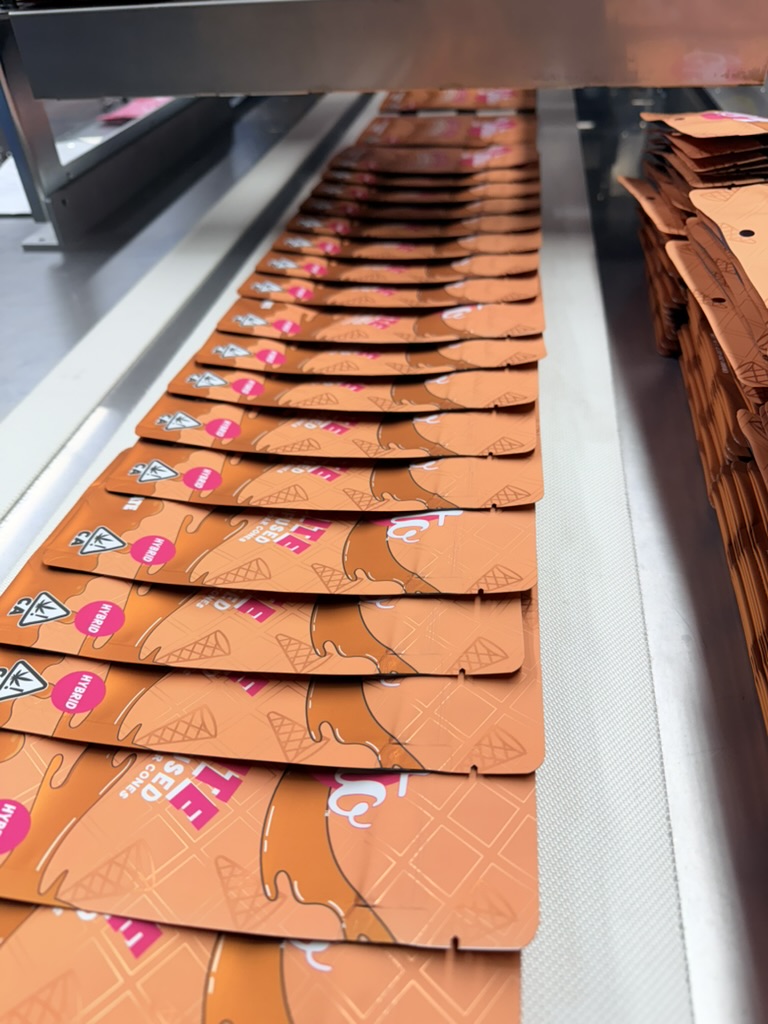
Once the laminated films are ready, they undergo converting, where they are cut, shaped, and prepared for packaging.
- Die-Cutting and Pouching: The laminated film is cut into specific shapes and sizes based on the product's requirements. It can be transformed into various forms, such as bags, stand-up pouches, or wrappers, utilizing techniques like heat sealing to secure the edges.
- Special Features: During this phase, additional features such as zippers, spouts, or tear notches may be added to enhance usability, convenience, and consumer experience.
Step 6: Quality Control
Quality control is a critical aspect of the manufacturing process. Throughout production, films and finished products are subjected to rigorous testing to ensure they meet regulatory and customer standards.
- Testing for Integrity: This includes tests for seal strength, thermal stability, and barrier properties to ensure the packaging protects the product inside effectively.
- Visual Inspection: Regular inspections for printing quality, color consistency, and overall appearance are conducted to uphold visual standards that resonate with brand identity.
Step 7: Packaging and Distribution
After passing quality checks, the final products are packaged for distribution.
- Bundling and Packing: Flexible packaging is often bundled together into larger packs for shipping, ensuring protection during transit.
- Automation and Efficiency: Automation plays a crucial role in speeding up the packing process while maintaining quality and reducing labor costs, allowing companies to meet increasing demand more efficiently.
The manufacturing process of flexible packaging is a complex and intricate system that combines various technologies, materials, and expertise. From the careful selection of raw materials to the detailed steps of extrusion, printing, laminating, and converting, each stage plays a vital role in producing high-quality packaging solutions. As consumers continue to seek convenience, sustainability, and functionality, the flexible packaging industry will undoubtedly keep evolving—pioneering new innovations and improving processes to meet the changing needs of the market. Understanding this intricate manufacturing journey not only highlights the sophistication of flexible packaging but also emphasizes its significance in creating a better shopping experience for consumers.

Ready to Elevate Your Packaging?
Experience fast, quality printing tailored for your business. Let's talk today!

Explore Our Insights
Dive deeper into packaging expertise